14 October 2026 · 11 min read · 10 views
Stop Trying to Hold Happiness, It Was Never Yours
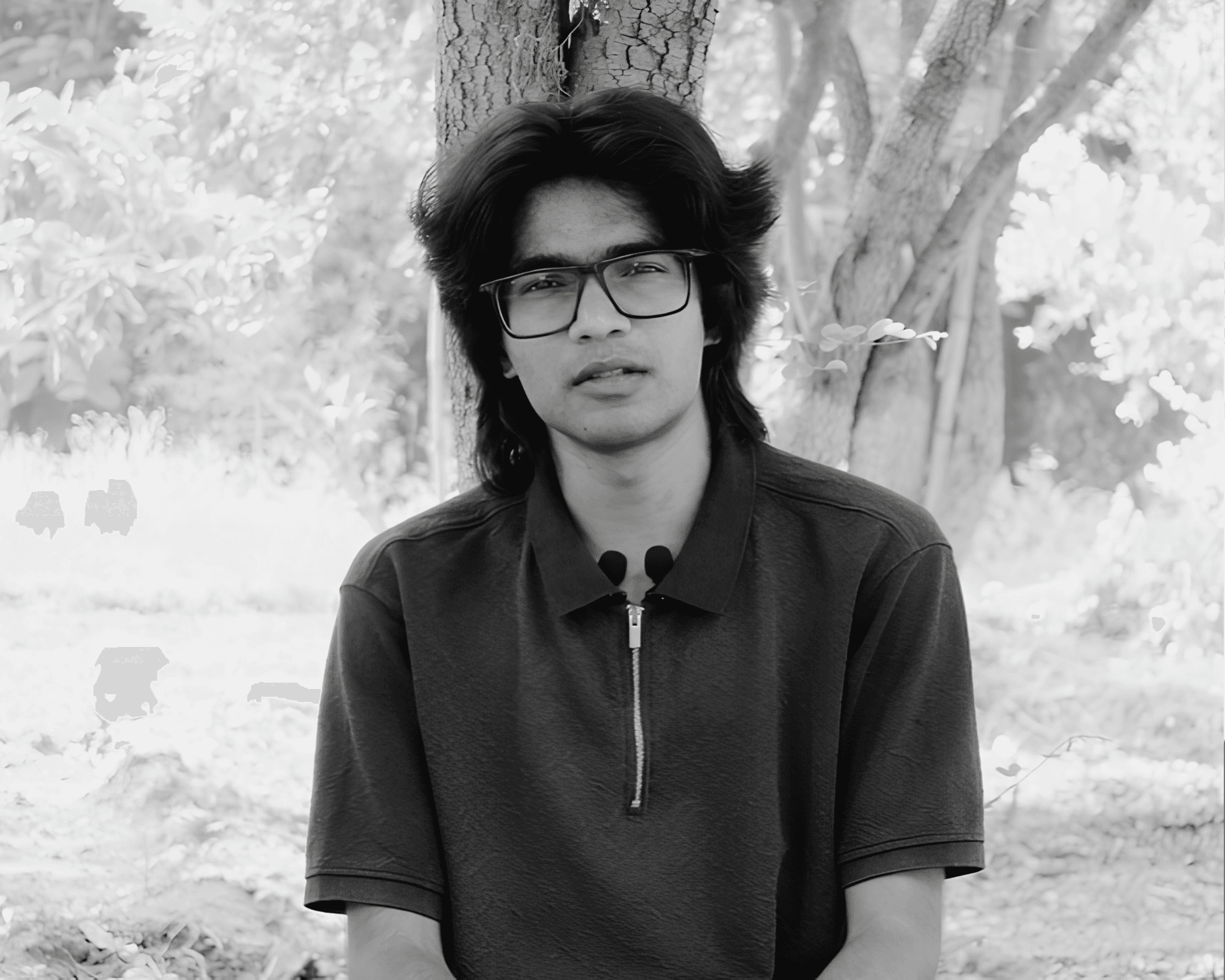
In this wisdom talk, we are going to understand three important things about happiness. First, why we keep chasing happiness. Second, how to stop chasing happiness like an idiot, really. And third, how to develop contentment. By the end of this speech, you'll have some understanding why happiness does not need to last forever for you to enjoy it, and how to stop postponing your happiness until some future achievement.
Well, you see, we keep searching for happiness because we cannot accept one simple fact: happiness does not stay. We feel happy today, and tomorrow we want that feeling back. Right? So, we start searching again. But what if the problem is not that happiness leaves? What if the problem is that we expect it to stay? Because a moment cannot be kept. That is what makes it a moment. Are you seeing what I'm seeing?
Think about it. You spend time with someone you love, or laugh together, and feel good, right? Later, you go home, and that happiness fades away naturally. No emotion stays forever. Nothing went wrong. The moment simply ended. But the mind starts asking how to get that feeling back. Suddenly, enjoying life becomes another job. So what happens? The finish line moves, because it was never a place. It was a feeling. And feeling does not wait for us. No feeling waits for us. Whether you are spiritual or non-spiritual, whether you follow God or follow the devil, no emotion can wait for you, and no emotion will stay forever.
Look at how we live. We say we will be happy when we get a better job, earn more money, find love, or become successful, right? There's nothing wrong with that. Then we achieve something, enjoy it briefly, and immediately want something else, right? We keep moving the goalpost because we expect the next achievement to give us permanent happiness. That is the most pathetic thing that we all do. To grip a joy is to begin losing it. Actually, to grip a joy is to begin to lose it. We almost understand that.
Imagine holding a beautiful flower—really beautiful, like a rose or lotus, something like that. You enjoy its color and fragrance, right? But suppose you become afraid of losing it. What happens? You keep checking it, protecting it, and worrying about how long it will last. Right? Eventually, your fear takes away the pleasure you felt when you first saw it. This is what happens when we try to control happiness. We do not chase happiness because we lack it. We chase it because we fear the silence where it used to be. Are you seeing what I'm saying?
When happiness disappears, we struggle to sit quietly with ourselves. We become an idiot. We open our phones, buy things, eat something, or start planning our next achievement. Even spiritual people are like that. They want more retreats, more gurus, more ashrams, more organizations, more techniques, more spiritual books, and so on and so on and so on. You see, there is absolutely nothing wrong with enjoying these activities. The problem begins when we use them to escape every uncomfortable moment. Sometimes we are not looking for happiness. We are simply avoiding ourselves. There is a pure distinction there. Many a time, we are not chasing happiness or so on and so on. We are simply avoiding ourselves.
Nobody searches for the rain, right? It comes, and we are glad, and then it passes. You see, think about the rain for a moment. You enjoy it when it arrives, but you do not demand that it rain every day. If you do that, you are disappointing yourself. You understand that weather changes, right? Yet when your feelings change, you behave as though life has broken a promise, or life has behaved like an idiot. Why can we not allow happiness the same freedom we allow, or we give, to the weather?
You see, you cannot judge the river by a single drop of it. Right? Similarly, you cannot judge your life simply because you have some pathetic emotions going on within you. Social media makes this confusion worse. Actually, we see somebody smiling in a photograph and imagine that their life is wonderful. We all do that, right? We see celebrities, and we assume their life is so beautiful, but it is not. We see some guru talking in some ashram, and we think he or she is the greatest guy on this earth, but it is not. We compare our ordinary Tuesday with somebody else's holiday picture. We forget that a photograph captures a moment, not an entire life. The person we envy also experiences boredom, disappointment, loneliness, and uncertainty. These are all natural feelings.
Let us understand this deeply. You see, let us understand three mistakes we make here. First, the first mistake is believing happiness belongs to us. Don't be an idiot. Happiness never belongs to anyone. It does not. We experience it, but we cannot own it. Right? The second mistake is treating sadness as evidence that something has gone wrong. How foolish we are. Spiritual people do that. The moment they are sad, they withdraw within themselves to avoid the feeling—how to find out who they are and so on and so on. Face your feelings. Don't be a coward. Feelings change. Feeling sad does not mean you have failed at living. It means you are living. Actually, without the dark, the candle is only a small yellow thing. With the dark, it is a small sun. And the third mistake is believing we must somehow prevent happiness from disappearing. We do not need that responsibility. We only need to experience what is here without constantly worrying about what comes next.
You see, happiness asks only for attention, not for ownership. Keep that in your mind. This is where acceptance matters. Acceptance does not mean giving up on happiness. It means enjoying happiness without demanding that it becomes permanent. That's how we all must live. Actually, when you stop worrying about how long a good moment will last, you can actually give that moment your attention. And once you give your attention, magic happens. Really, the one who accepts the ending enjoys the beginning twice as much. Keep that in your mind.
Understand what happens when you're old. Let's say you are 80 years old, drinking a tea in the evening. What matters at the moment? Contemplate on this. Then you will understand what to do with your life. You see, here is something practical. When you feel happy, enjoy it. Do not immediately ask whether tomorrow will feel the same, or when the feeling disappears, do not treat its departure as a personal loss. Let the moment arrive without forcing it to resemble the previous one. Because this is important to understand: after the wave, the shore is not at a loss. It is the ground on which the next wave will reach. Are you seeing what I'm saying? Because this must be understood really deeply.
But we must understand another distinction here. Happiness and contentment are not the same thing. Happiness depends on particular experience. Contentment is the ability to live peacefully even when nothing particularly exciting is happening. Are you seeing what I'm saying? Because this is important. Happiness is a visitor. Contentment is a home. You can have an ordinary day, earn no extra money, receive no praises, and experience no exciting event, yet still be comfortable with your life. That comfort does not require every moment to feel wonderful. It allows ordinary life to be ordinary without making it a problem. The mind that is not hungry feeds the heart more kindly. This is the truth.
Think about someone standing beside a lake, searching the horizon for water. The water is already nearby. But the person keeps looking elsewhere. Just imagine like that. Our search for happiness often works the same way. We keep postponing life until something changes, like an idiot. Happiness has never once happened tomorrow. It happens only in a today that is paying attention. This does not mean every present moment is pleasant. Sometimes life hurts, man. Let us agree to that. Sometimes we lose people we love, and no clever explanation removes that pain. We should not pretend otherwise. But even grief deserves our attention instead of our constant attempt to escape it. Feel grief. Feel your emotions like a brave warrior. Don't run away to an ashram like a spirituality, or to a book, or to a retreat, like a coward. Don't do that. Face your emotions. Then your wisdom will skyrocket. I'm telling you from experience. When you are in pain, sit with it. Your wisdom and insight, your intuition, will skyrocket like like hell. It will blast within you. Then you will move forward with your own insights, because love ends. So love must be done today.
When somebody we love is no longer with us, we naturally feel sorrow. We miss their voice, their presence, and their ordinary things we once took for granted. You see, we do not need to rush through that experience or pretend that we are fine. Don't be an idiot. Sorrow is love that has lost its address. That's all. And perhaps this is why accepting impermanence—impermanence—matters so much. We cannot guarantee how long someone will remain in our life, or a thing will remain in our life. But while they are here, we can listen, care, speak honestly, and spend time together. Right? We do not have to wait for laws to teach us the value of presence. The bravest sentence in any language is: this is enough for now.
We can still work toward better things. We can build careers, improve our circumstances, develop relationships, and pursue meaningful goals. The difference is that we no longer expect achievement to repair every uncomfortable feeling inside us. Do things for their own sake, and happiness will often follow like a shadow that arrives without being called. So what have we understood? Happiness comes and goes. Comparison creates unnecessary suffering. Trying to control feeling often prevents us from enjoying them. Contentment allows us to live without demanding constant excitement.
You see, the one who stops chasing the wave learns to swim. This is important. We do not need to spend our lives chasing a feeling. We can enjoy happiness when it arrives, allow sadness when it comes, and stop treating every emotional change as an emergency. Life becomes simpler when we stop demanding that every moment satisfy us. Don't be an idiot. Face your feelings. Sit with your sorrow. Sit with your happiness and enjoy it, or feel grief for yourself. Don't demand that gods and goddesses should come and understand your pathetic life. Don't demand that the universe should know what you are going through. Don't be like covered that you must move away from sadness and grief. Face it like a brave guy and a girl. Become men and women, not boys and girls. Hold nothing too tightly, and nothing can be taken away from you. Happiness does not stay. That is not a tragedy. It is simply how feelings work. When we finally accept this, we can stop postponing life, stop comparing our experience with someone else's, and start accepting or appreciating the moments already passing through our hands. Happiness does not stay. And when we finally understand that, we are free to be happy while it lasts, or while it stays.
Now, enough with the entertainment. Now coming to the main message. You are not happiness. You are not sadness. You are not this pathetic human body and mind and all those achievements that you do. You are that unblemished, self-aware reality on which happiness itself is existing. You are that which gives the ability for happiness to exist. You are that which gives the ability for ignorance to exist in the first place. You are that on which the entire drama of your pathetic spirituality, pathetic unwanted desire, circumstances, is happening. Turn your mind within and see things for yourself. You are awareness. You are not this happiness or the body-mind. You are not the tree. You are not the universe. You are not the galaxy. You are not the observer. You are not the knower. You are not the knowing. You are not that. Blah blah blah. You are just simply, ridiculously, purely, absurdly, simply the awareness. Nothing else. And this can be understood not by listening to me, not by mailing me, not by talking to me, but by turning your mind within and seeing things for yourself. And that seeing is not done by you. It is done by the act of seeing. Because there is literally no one within you who will understand the awareness. There is only the act of seeing. There is only the awareness and nothing else. What you know is nothing but awareness appearing as that and disappearing as that. This is the truth.
Ultimately, I will conclude my speech by saying that follow the message, not the messenger. You are the self-aware reality which is the substratum of all, whether you like it or not or believe it or not. Thank you.
Comments
Be kind and thoughtful. Comments appear after a quick review. Emojis welcome; links aren’t allowed.
Comments are closed.
No comments yet. Be the first to share a thought.